Bureaux, ZAC Pirmil-les-Isles, Nantes / Rezé
Offices, ZAC Pirmil-les-Isles, Nantes / Rezé
MOA Ville de Rezé / Nantes Métropole Aménagement · Équipe CBA + Urbanmakers · Mission Concours phase 2 · Rôle Chef de projet · Année 2024
Client City of Rezé / Nantes Métropole Aménagement · Team CBA + Urbanmakers · Scope Competition phase 2 · Role Project Manager · Year 2024
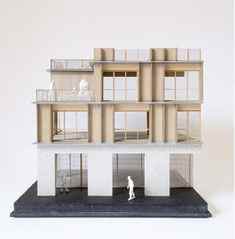
Concours phase 2 pour deux bâtiments tertiaires dans la ZAC Pirmil-les-Isles, l’un des grands projets de transformation des rives sud de la Loire entre Nantes et Rezé. La commande appelle un objet contemporain, sobre, capable de s’inscrire dans un quartier en construction sans s’en autonomiser.
Phase 2 competition for two office buildings within the ZAC Pirmil-les-Isles, one of the major transformation projects along the southern banks of the Loire between Nantes and Rezé. The brief called for a contemporary, understated building able to fit into a neighborhood under construction without standing apart from it.
La réponse repose sur des plateaux libres, une structure bois apparente et des façades épaisses qui forment balcons et terrasses appropriables. L’écriture cherche un bâtiment-outil, flexible, reconvertible, lisible, où la matière constructive devient le premier argument architectural, avant tout geste de signature.
The response relies on open floor plates, an exposed timber structure, and thick facades forming balconies and terraces that residents can appropriate. The design aims for a tool-building: flexible, convertible, legible, where the construction material itself becomes the primary architectural argument, ahead of any signature gesture.
Compétence transposable aux missions de MOA tertiaire public : tenir une exigence architecturale haute sur des bâtiments dits ordinaires, dans la logique d’un aménageur public qui pense ses opérations sur trente ans.
A skill set transposable to public-sector office MOA assignments: maintaining high architectural ambition on so-called ordinary buildings, within the logic of a public developer who plans its operations over thirty years.

